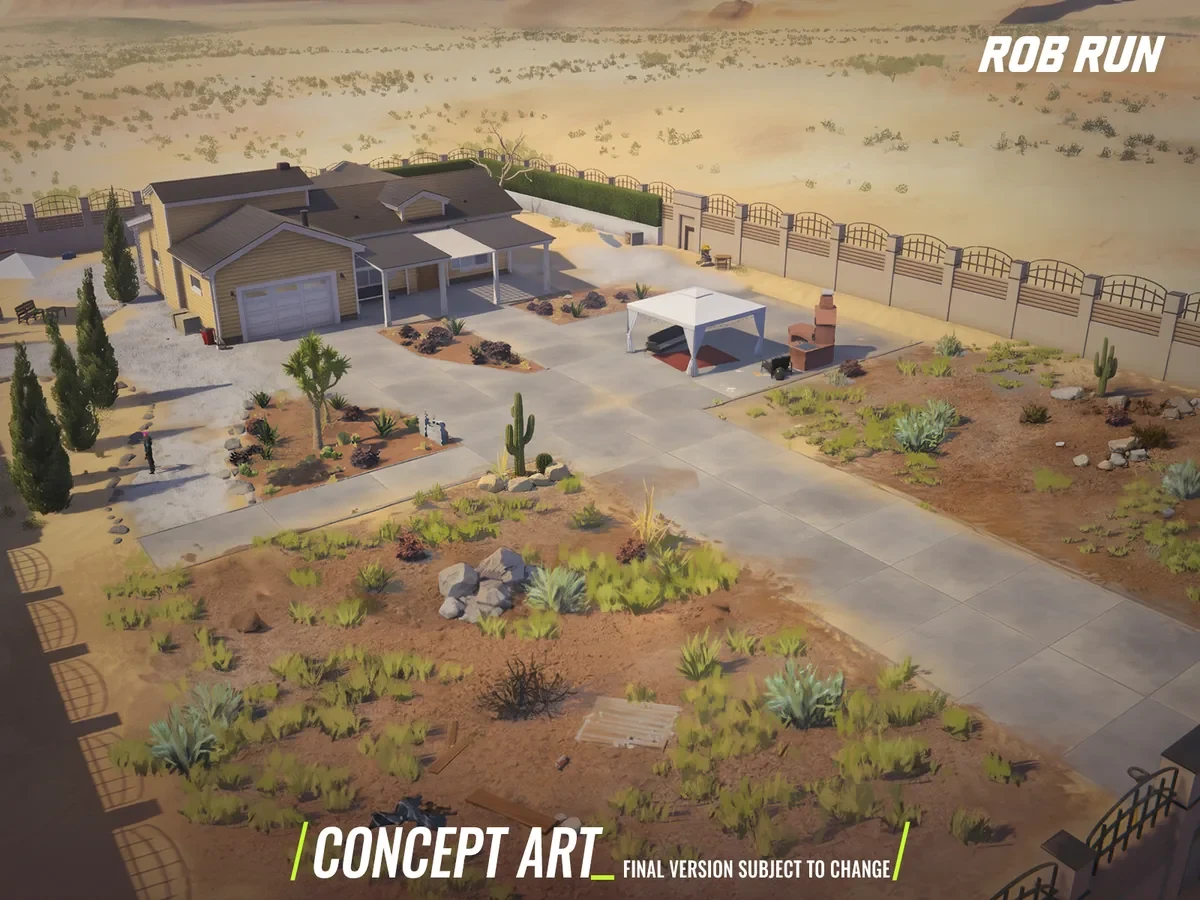
What is a plot supposed to unlock?
The community base snapshot describes land rented within an owned settlement, with a home, storage, respawn and production possibilities. It links district progression to trader access and plot documents. These are snapshot claims, not independently tested current-client rules. The official landing page advertises raids on rival hideouts. That alone is enough reason not to present a home as permanent invulnerable storage. Security, ownership and production should each be checked separately.
What should you inspect before renting?
Read the actual rent interaction rather than comparing only a plot’s visible location. Confirm:
- Who owns the settlement and what obligations the contract describes.
- Which payment type is accepted and whether there are ongoing charges or transaction deductions.
- Which document or progression requirement applies.
- What building, storage and respawn functions are included rather than merely unlocked.
- Which permissions affect friends, clan members or other visitors.
- What the interface says about eviction, moving or losing access. The snapshot describes charges tied to some economic actions. We do not independently confirm the current percentage, who can change it or whether every settlement follows the same terms. A low entry cost can hide a much larger ongoing commitment.
How much money should you keep after the plot purchase?
Keep operating funds for the route that will support the base. Land, a useful machine, its inputs and transport are separate costs. If buying the plot consumes every resource, you may own space but be unable to use it productively. The money guide recommends separating a replacement reserve from investment. The shipment unlock plan helps check whether a desired workbench is actually within reach, including its dependencies and usable copy.
Is storage automatically safe from raids?
No such guarantee is verified here. The snapshot distinguishes ordinary racks, security containers, locks and raid tools. It also discusses alarms and defenses, but a defense description is not proof that every item remains protected while you are offline. Inspect each container’s access and protection wording. Do not use an expensive collection to test whether another player can open it. Read loot loss for the difference between carried goods, storage risk and a state reset. City room keys and player-building access tools are also different systems in the snapshot. The access guide explains why collecting shop keys is not the same as preparing base security.
Should you start with production immediately?
Pick a specific output and buyer first. A collection table, cargo workbench, grow setup and chemical laboratory are not interchangeable investments. Buying several incomplete chains ties up cash without proving any will work. Begin with the smallest complete workflow you can inspect and afford. The cargo guide compares direct sale with processing, while laboratory planning covers the more elaborate chemical chain. Do not rely on an unverified promise of passive offline profit.
What should you check before moving or upgrading?
The snapshot says a base can move with a new plot, but we have not independently confirmed exactly what transfers or what an interrupted process loses. Read the current confirmation before moving machinery or land. Check weekly wipe as well: protection from a thief and protection from a reset are not the same thing.
Editorial review: 27 November 2026. This is a source-based guide, not a claim of hands-on testing. Snapshot details may differ from the current client.